
Common Misconceptions About Contactless Payments Debunked


Contactless payments have rapidly become a staple in our daily transactions, but with their rise in popularity, several misconceptions have also emerged. These myths can often deter individuals from fully embracing this convenient technology. In this blog post, we'll address and debunk some of the most common misconceptions about contactless payments.
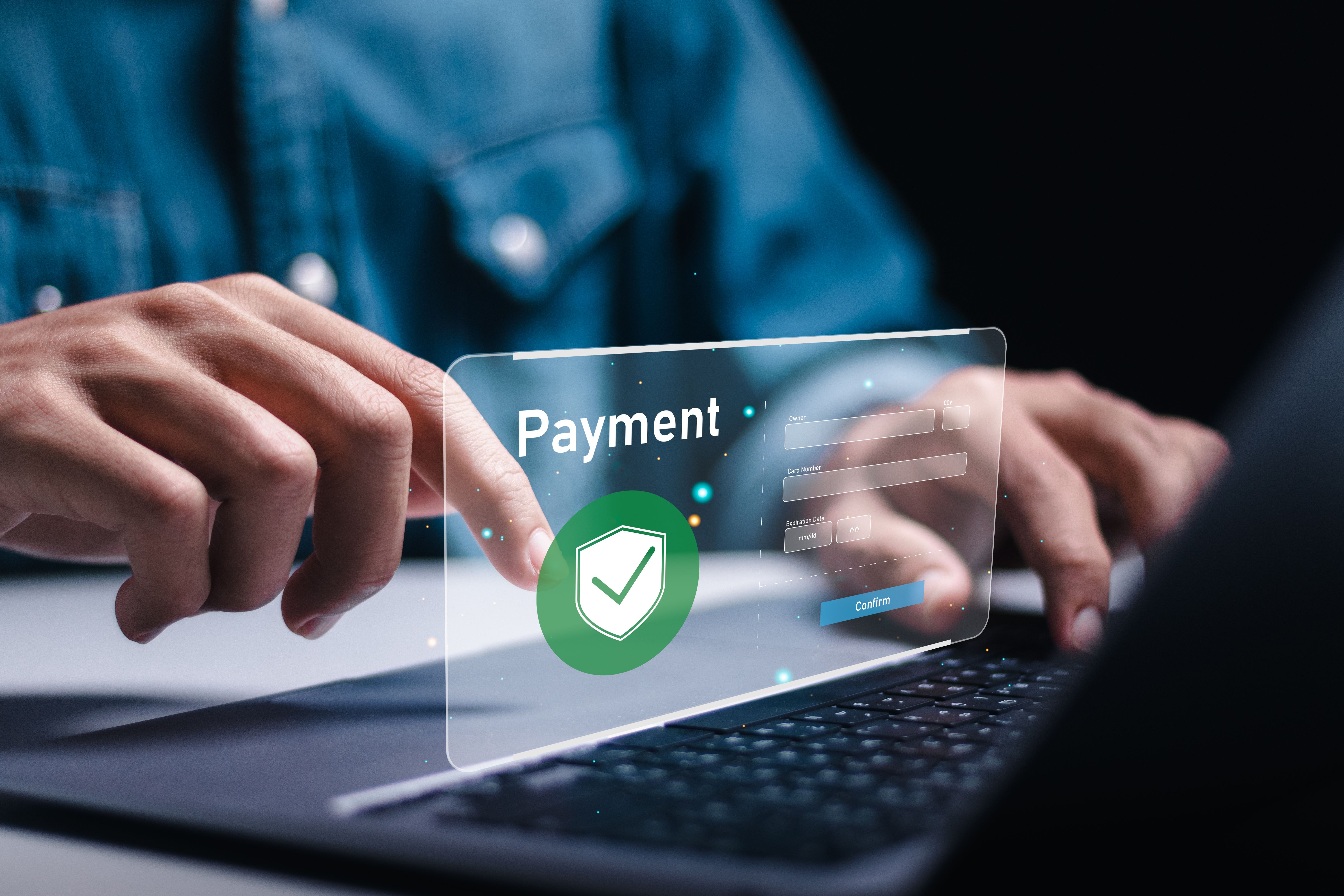
Misconception 1: Contactless Payments Are Not Secure
A prevalent concern is that contactless payments lack security. However, this couldn't be further from the truth. Contactless transactions are protected by multiple layers of security, including encryption and tokenization, which ensure that your financial information remains safe.
Moreover, the technology is designed to work only when the card or device is within a few centimeters of the payment terminal, significantly reducing the risk of unauthorized transactions. Additionally, most banks offer zero liability protection for fraudulent transactions, providing an extra layer of security for users.
Misconception 2: Contactless Payments Are Limited to Small Purchases
Another common myth is that contactless payments can only be used for small transactions. While it is true that there are often limits for tap-and-go payments to enhance security, these limits are frequently updated and can vary by country or bank. Many countries have increased these limits to accommodate larger purchases.
Furthermore, if a purchase exceeds the contactless limit, you can usually complete the transaction by entering your PIN or using another form of authentication. This flexibility allows contactless payments to be used for a wide range of transactions, from everyday purchases to more significant expenses.

Misconception 3: Contactless Payments Drain Your Battery
Some individuals worry that using contactless payment methods on their smartphones will quickly drain the battery. In reality, contactless payments typically use minimal power. The technology relies on near-field communication (NFC), which is designed to be energy-efficient.
NFC chips only activate when in close proximity to a payment terminal, ensuring that your device's battery life is preserved. This makes contactless payments a practical option even for those concerned about their phone's battery longevity.
Misconception 4: Contactless Payments Are Difficult to Use
Many people assume that contactless payments are complicated to set up and use. In truth, they are designed for simplicity and convenience. Setting up contactless payments on a smartphone or smartwatch typically involves a few straightforward steps, such as adding a card to a digital wallet app.
Once set up, making a payment is as easy as holding your card or device near a compatible terminal. This ease of use is one of the reasons contactless payments have become so popular, especially during times when minimal contact is preferred.

Misconception 5: Contactless Payments Are a Passing Trend
Finally, some skeptics believe that contactless payments are just a fleeting trend. However, the ongoing growth and adoption of this technology suggest otherwise. With businesses and consumers increasingly appreciating the convenience and efficiency of contactless transactions, their use is only expected to rise.
Financial institutions and tech companies continue to innovate in this space, offering new features and expanding acceptance, ensuring that contactless payments remain a key part of the future of commerce.

In conclusion, contactless payments offer numerous benefits, including enhanced security, ease of use, and adaptability for various transaction sizes. By understanding and debunking these misconceptions, more people can confidently embrace this efficient payment method.