
How Contactless Payment Trends Are Revolutionizing Retail


The Rise of Contactless Payments
The retail landscape has undergone a dramatic transformation with the rise of contactless payment solutions. These technologies, which include credit cards, smartphones, and wearables, have streamlined transactions and enhanced the customer experience. As more consumers embrace this convenient mode of payment, retailers are compelled to adapt and innovate.
Contactless payments gained significant traction during the global pandemic, as they offered a safer alternative to cash and traditional card transactions. This trend continues to grow, with the market expected to reach unprecedented heights in the coming years.
Consumer Convenience and Speed
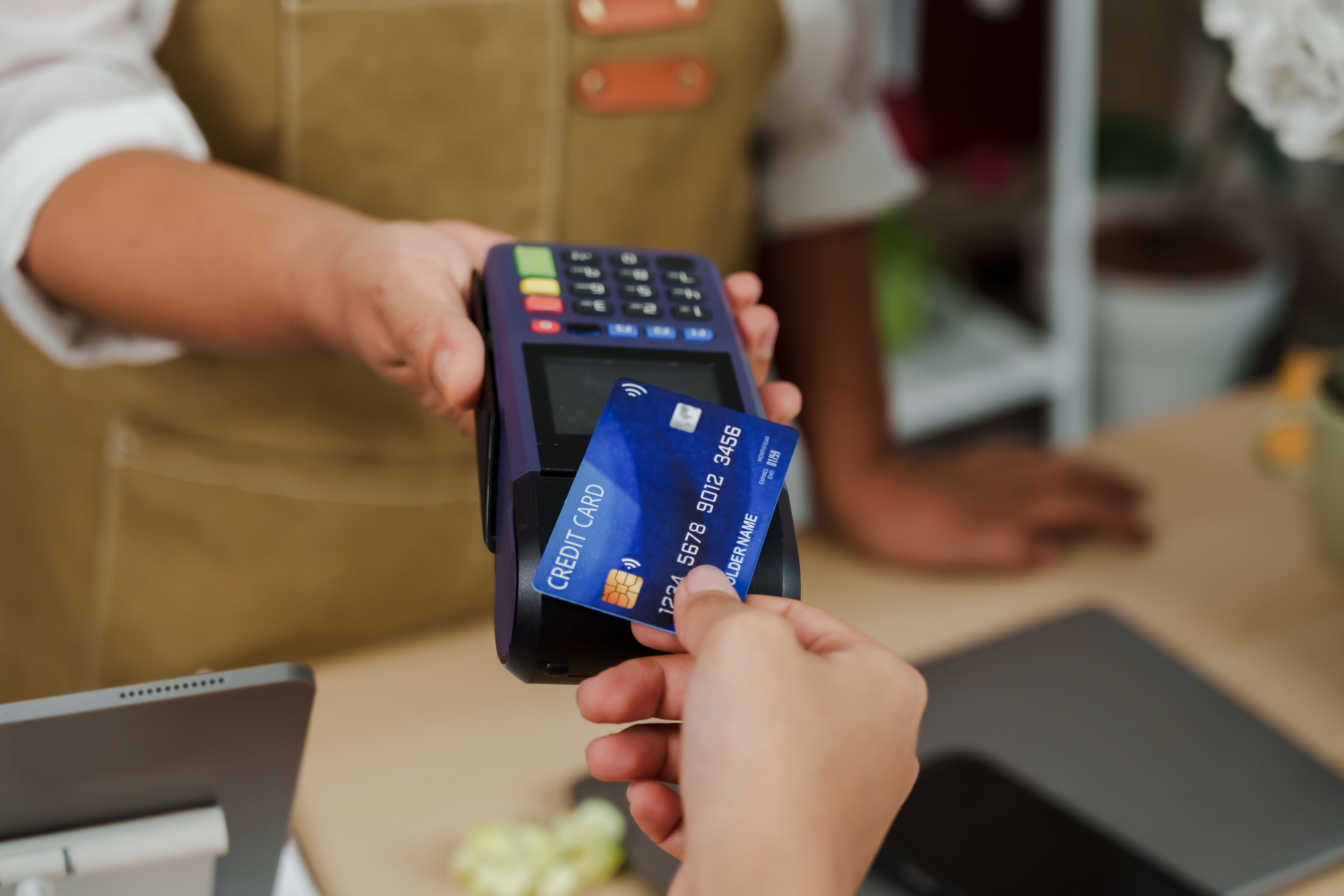
One of the primary benefits of contactless payment systems is the convenience they offer consumers. With just a tap, transactions are completed in seconds, reducing wait times and enhancing customer satisfaction. This is particularly beneficial in high-traffic retail environments, where speed is crucial.
Moreover, the integration of contactless payments with mobile apps allows consumers to manage their finances more efficiently. They can track spending, receive instant notifications, and even earn rewards, all of which contribute to a seamless shopping experience.
Security Enhancements
Security is a common concern in digital payment methods, but contactless technologies have made significant strides in this area. With the use of encryption and tokenization, sensitive information is protected, reducing the risk of fraud and data breaches.

Retailers are also adopting additional security measures, such as biometric authentication and two-factor verification, to further safeguard transactions. These advancements not only protect consumers but also build trust in digital payment systems.
Impact on Retail Operations
Contactless payments have revolutionized retail operations by streamlining processes and reducing the need for cash handling. This shift minimizes errors, lowers transaction costs, and reduces the risk of theft, ultimately leading to more efficient business operations.
Retailers are also leveraging data from contactless transactions to gain insights into consumer behavior, allowing them to tailor their offerings and create personalized marketing strategies that drive sales.
The Future of Retail Payments
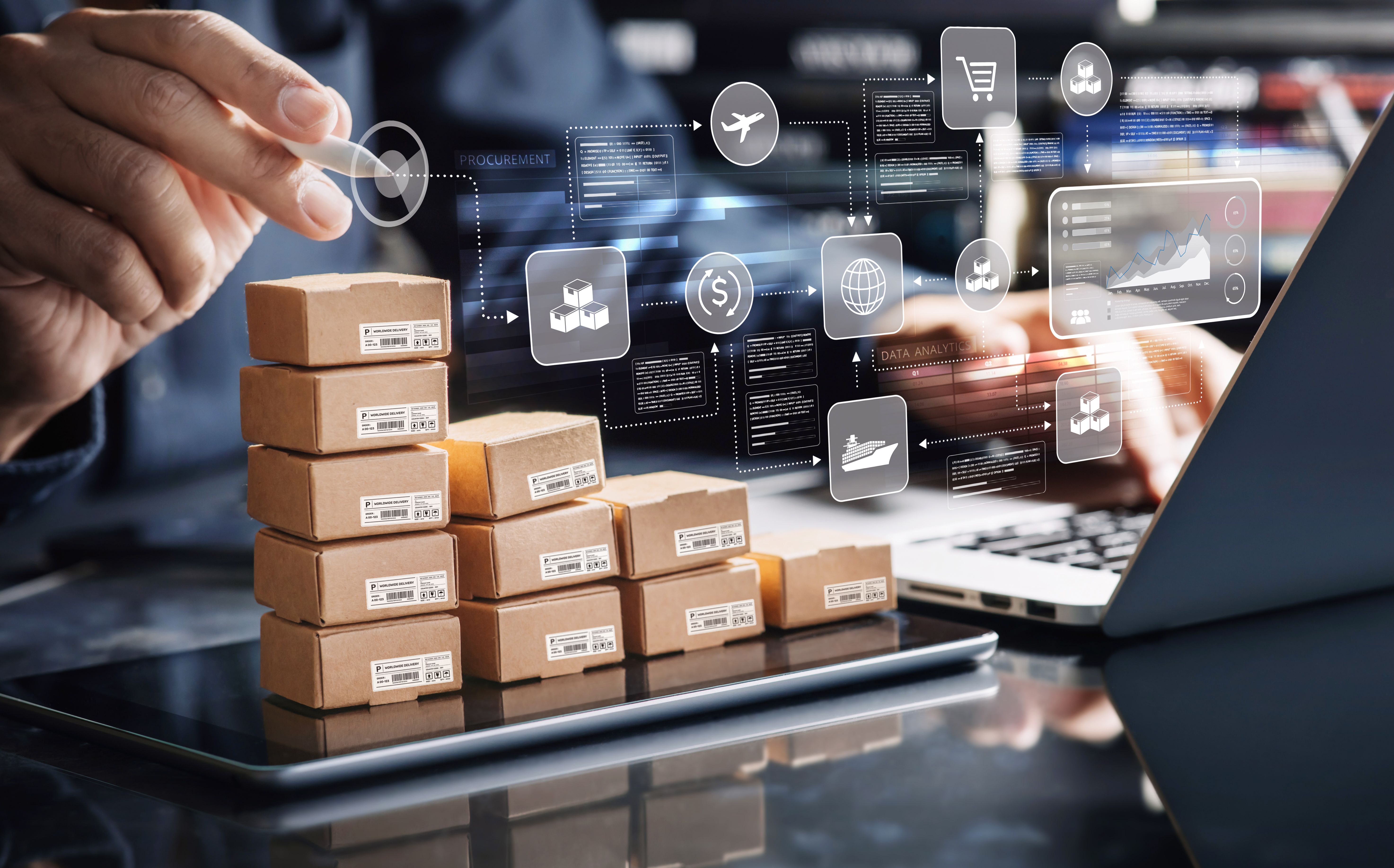
As technology continues to evolve, the future of retail payments looks promising. Innovations such as QR code payments, digital wallets, and even cryptocurrency are expected to become more prevalent, offering consumers even more flexibility and choice.
Retailers who stay ahead of these trends by adopting new technologies and enhancing their payment systems will likely see increased customer loyalty and a competitive edge in the market.
Conclusion
Contactless payment trends are not just a fleeting innovation but a significant revolution in the retail industry. By prioritizing convenience, security, and operational efficiency, they have reshaped the way we shop and pay. As these technologies continue to advance, retailers must remain agile and responsive to meet the evolving demands of consumers.