
The Ultimate Guide to Payment Processing for Small Businesses


Managing payments efficiently is crucial for small businesses looking to grow and thrive. Understanding payment processing can help streamline operations, improve customer satisfaction, and increase revenue. This guide will walk you through everything you need to know about payment processing for small businesses.
Understanding Payment Processing
Payment processing involves the steps taken to complete a transaction between a buyer and a seller. This process ensures that funds are transferred securely from the customer's account to the business's account. For small businesses, choosing the right payment processor is vital for seamless transactions.
The Payment Processing Journey
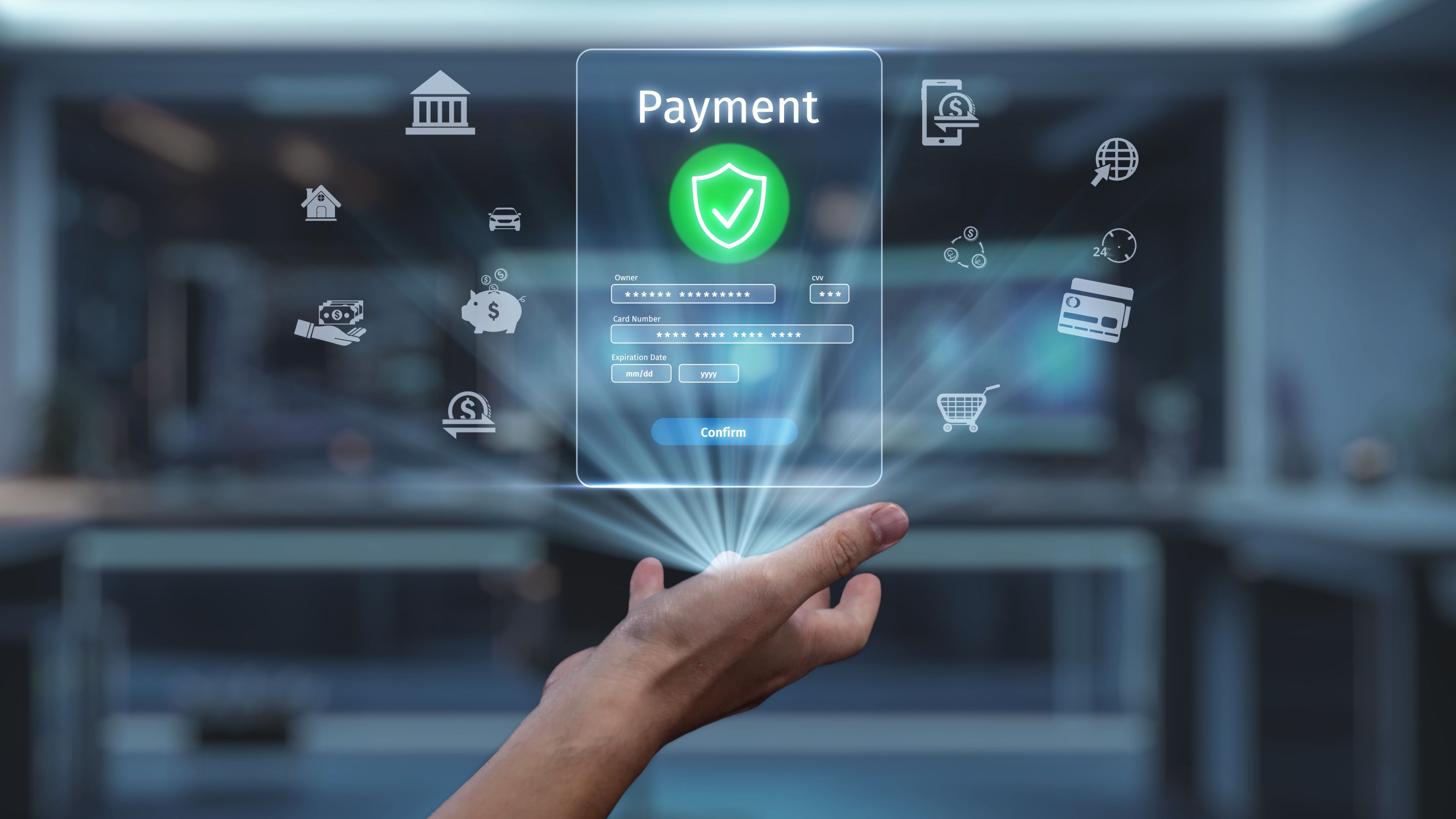
The payment processing journey includes several key steps: authorization, authentication, clearing, and settlement. During authorization, the payment processor checks if the buyer’s account has sufficient funds. Authentication ensures that the transaction is legitimate. Clearing involves the exchange of transaction information, and settlement is the transfer of funds to the merchant's account.
Choosing the Right Payment Processor
Selecting a suitable payment processor can make a significant difference in your business operations. Consider factors such as transaction fees, ease of integration, security features, and customer support. Comparing different providers will help you find the best fit for your business needs.

Payment Methods to Consider
Offering a variety of payment methods can enhance customer satisfaction. Popular options include credit and debit cards, mobile payments, and digital wallets. Each method has its own benefits and potential drawbacks, so it’s important to understand your customer base and their preferences.
Ensuring Payment Security
Security is a top priority when it comes to payment processing. Implementing robust security measures such as encryption, tokenization, and compliance with PCI DSS can help protect sensitive customer information and prevent fraud.
Managing Payment Processing Fees
Understanding and managing payment processing fees is essential for maintaining profitability. These fees can vary based on the payment method and processor. Look for transparent pricing models and consider negotiating with providers to reduce costs.
Improving Customer Experience
A smooth payment process is crucial for a positive customer experience. Ensure that your checkout process is user-friendly and mobile-optimized. Offering multiple payment options and clear instructions can reduce cart abandonment and increase sales.
By understanding the intricacies of payment processing and making informed decisions, small businesses can enhance their operations, improve customer satisfaction, and drive growth. Whether you're just starting out or looking to optimize your current setup, this guide provides the essential information you need to succeed in today's competitive market.