
Understanding Retail Payment Solutions: What Works Best for Your Business?


Introduction to Retail Payment Solutions
In today's fast-paced retail environment, the ability to offer seamless payment solutions is critical for business success. Whether you run a brick-and-mortar store or an online shop, choosing the right payment system is essential to enhance customer experience and streamline operations. With numerous options available, understanding what works best for your business can be a challenge.

Types of Retail Payment Solutions
Traditional Cash Registers
Traditional cash registers have been the backbone of retail payment solutions for decades. They are simple to use and relatively low-cost. However, they lack the advanced features of modern systems, such as data analytics and customer relationship management. For small businesses with limited needs, cash registers may still be a viable option.
Point of Sale (POS) Systems
Point of Sale systems have revolutionized retail payment processing by integrating transactions with business operations. POS systems offer a wide range of features, such as inventory management, sales tracking, and customer data collection. They are suitable for businesses of all sizes and can significantly enhance efficiency.

Online Payment Gateways
For businesses operating online, payment gateways are essential. They facilitate secure transactions by encrypting sensitive information, allowing customers to pay via credit card, debit card, or digital wallets. Popular options include PayPal, Stripe, and Square. Choosing the right gateway can impact transaction fees and customer trust.
Mobile Payment Solutions
With the rise of smartphones, mobile payment solutions have become increasingly popular. Systems like Apple Pay and Google Pay provide a convenient way for customers to complete purchases using their mobile devices. Offering mobile payments can attract tech-savvy customers and enhance the shopping experience.

Choosing the Right Solution for Your Business
When selecting a payment solution, consider factors such as your business size, customer preferences, and budget. Evaluate the features that will most benefit your operations. For example, a small café might prioritize ease of use and affordability, while a large retailer might focus on integration and analytics.
Security and Compliance
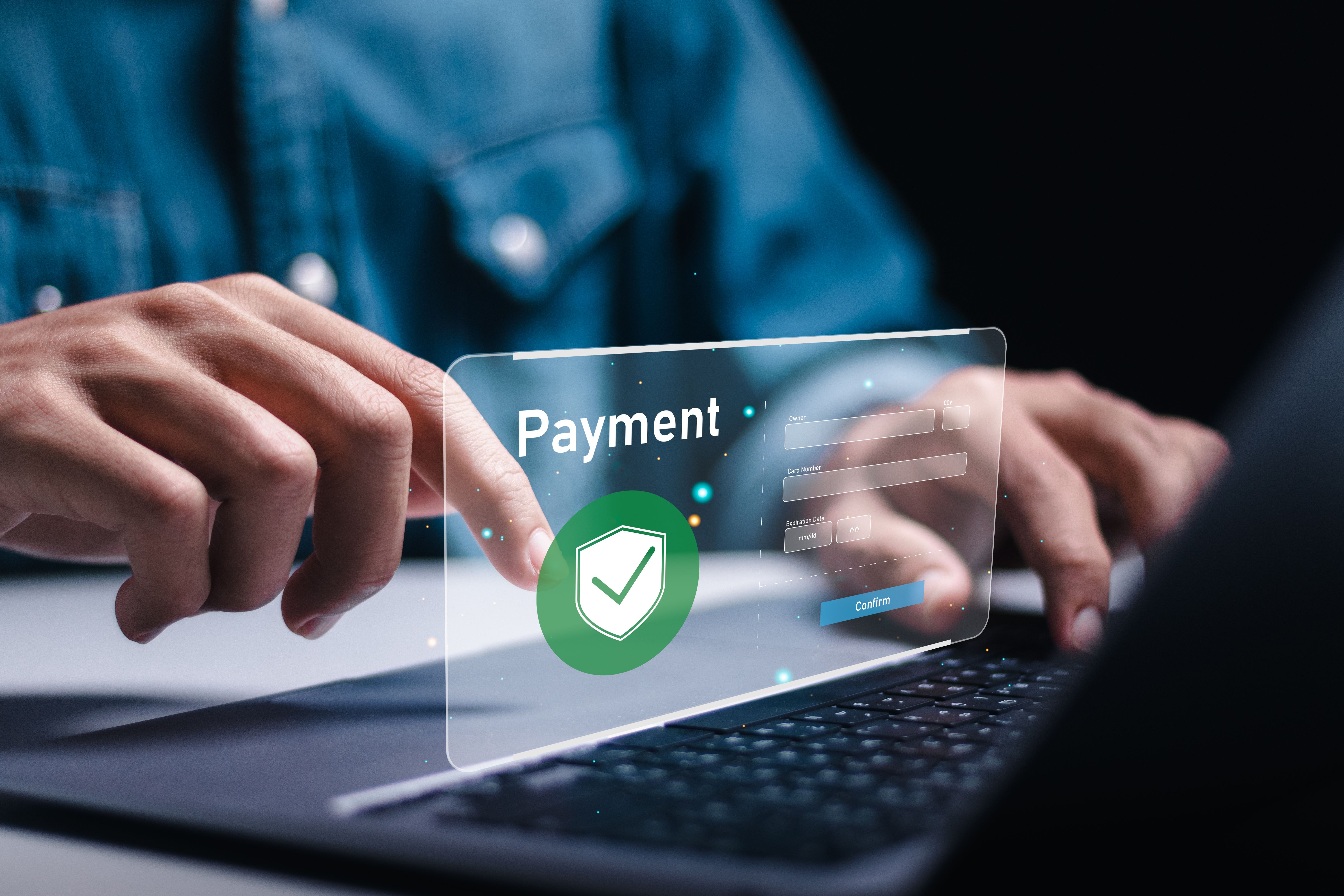
Security should be a top concern when handling customer payments. Ensure your chosen payment solution complies with industry standards, such as PCI DSS, to protect sensitive information. Strong security measures build trust with customers and safeguard your business against fraud.
Conclusion
Understanding retail payment solutions and selecting the right one for your business is crucial for success. By weighing the pros and cons of each option, you can find a system that meets your needs and supports your growth. Stay informed about emerging trends and technologies to keep your payment processes efficient and competitive.